
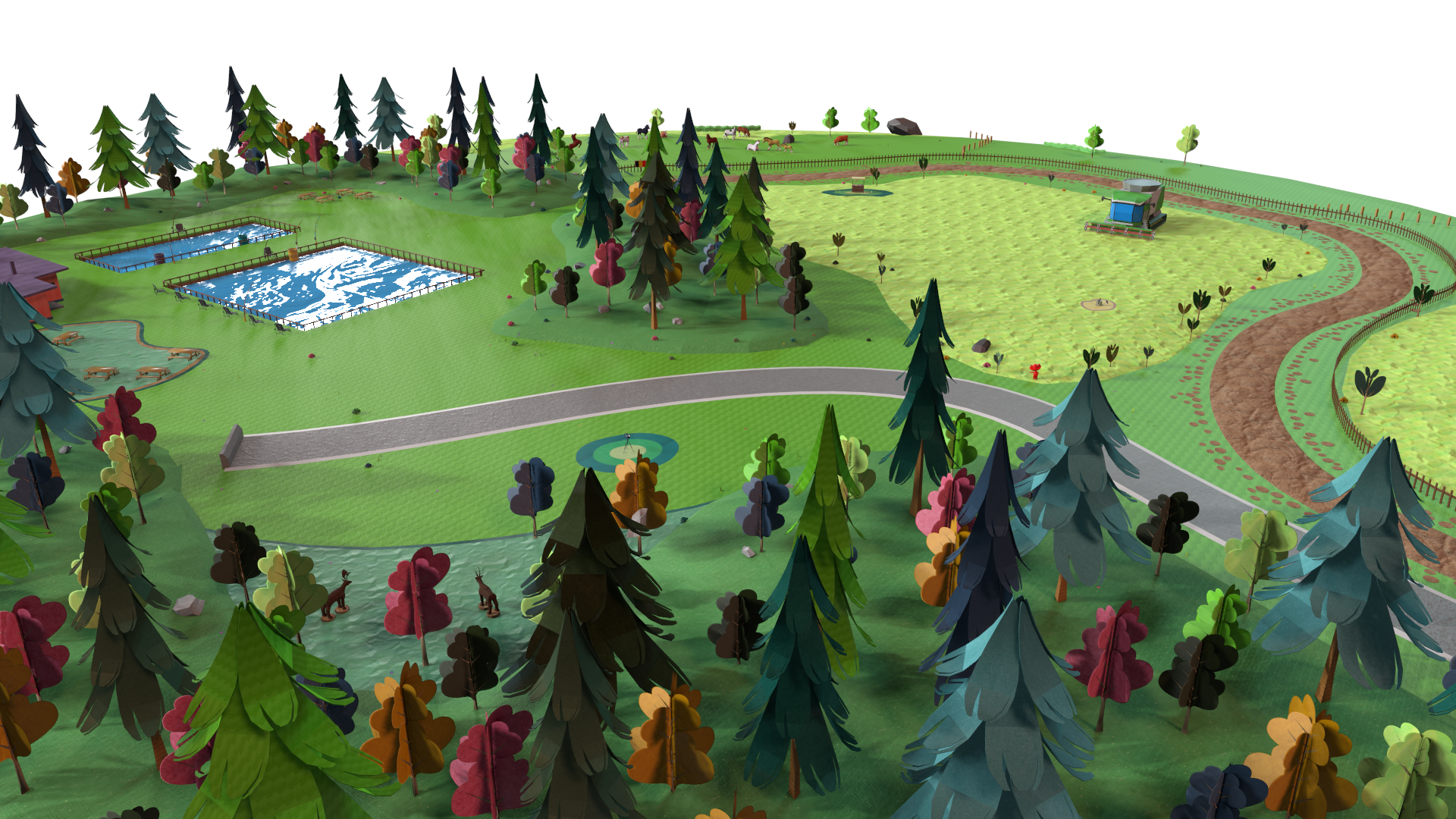
Boulaide is defined by a diverse natural environment where forests, meadows and waterways come together. Mixed forests dominate the region, with oak, beech, birch, hornbeam and fir trees forming a rich woodland landscape. Limestone meadows and grasslands add openness to the area and support a wide variety of herbaceous plants.
Rivers and streams are essential to this ecosystem. They create wetlands that host plant species such as reeds, sedges and willows. Within the Naturpark Öewersauer, species adapted to nutrient-poor soils can be found, including Arnica montana. At the same time, Luxembourg’s “Red List of Vascular Plants” shows that many plant species are critically endangered or extinct, highlighting the need for careful protection.
Wildlife across forests, fields and water
The fauna of Boulaide reflects the richness of its habitats. Birds of prey such as hawks and owls can be seen in the skies and woodlands, while smaller birds like finches, warblers and woodpeckers are common throughout the area. Forests are home to mammals including deer, foxes and wild boar.
Amphibians such as frogs and salamanders are often found near the Sûre River and its tributaries. Meadows and riverbanks support a diverse insect population, with butterflies and bees playing an important role in the local ecosystem.
Agriculture
Agriculture has long shaped both the landscape and the economy of Boulaide. Agricultural land covers more than half of Luxembourg, and Boulaide is known for producing different types of crops. Wheat has been especially important, supporting local businesses such as Jos & Jean Marie’s bakery.
The mills around Boulaide historically played a central role in the community, processing wheat and fodder and even hosting electricity generators. Boulaide’s proximity to Belgium made it an ideal location for cattle and horse trading. The introduction of the threshing machine marked a major shift, completely changing agricultural practices in the area.
Over time, farmers adapted their methods to maintain productivity. The integration of irrigation channels supported crop growth and agricultural sustainability, while the use of efficient irrigation systems and fertilizers helped increase production and preserve farming activity in and around Boulaide.
The influence of the Upper Sûre Lake
The construction of the Upper Sûre dam transformed agriculture near Boulaide. Lower-lying farmland was flooded to create the reservoir, forcing agricultural activity to move to less fertile land at higher elevations. To adapt, irrigation channels became essential.
Efficient irrigation systems and the use of fertilizers significantly increased agricultural production and were crucial in maintaining productivity despite these changes. This transformation ensured the long-term sustainability of farming in the region.
Traditions, symbols and food production
Boulaide’s agricultural history is also reflected in local symbols and techniques. The Tree Monument, featuring a horse sculpture, represents “Thomas phosphate” or “Thomas flour,” a fertilizer made from crushed steel slag using the Gilchrist-Thomas process. Widely used in the early 20th century, it supported agricultural productivity across the region.
Traditional practices such as “Fléizen,” a method of irrigating meadows by channeling water through ditches, are no longer common but still leave visible traces in the landscape.
In the 19th century, Boulaide experienced economic growth through dairy farming. What began with a few cows for personal use expanded with technological advances, allowing farmers to increase production and export dairy products. In 1927, the Verkaufsgenossenschaft Luxemburger Molkereien (V.G.L.M.) was established as a cooperative of 24 dairies, focusing on sales and export, particularly to Belgium.
Fish ponds and outdoor life
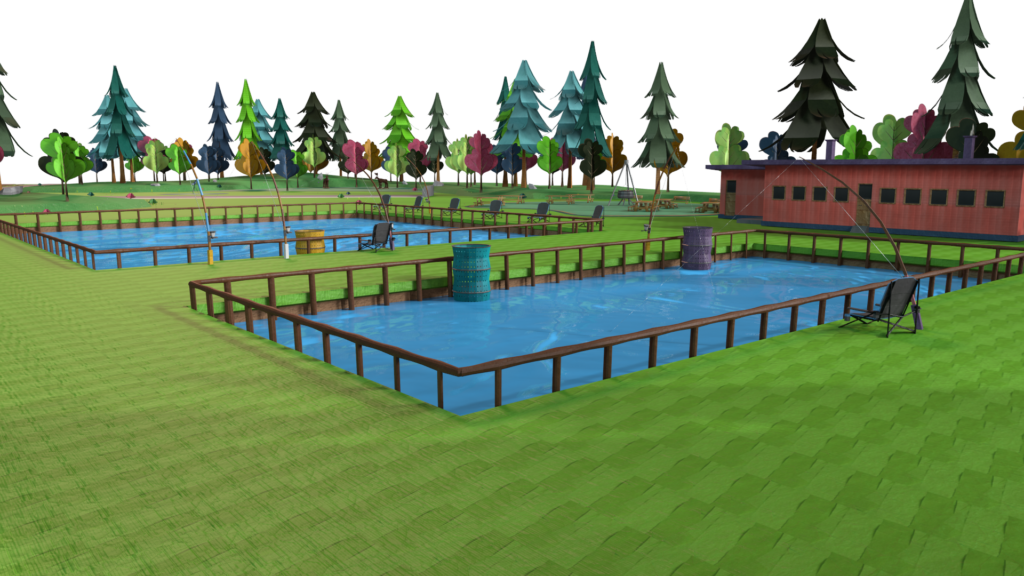
For many years, the fish ponds have been maintained by the Thill family and have become part of Boulaide’s outdoor landscape. They are artificial ponds used for fish farming, with a strong focus on rainbow trout, and are closely connected to the area’s long tradition of fishing.
The ponds are still accessible today and can be visited by those interested in fishing or simply spending time outdoors. Fishing activity at the ponds exists alongside other fishing areas in the region, including certain areas of the Sûre River and the Upper Sûre Lake.
People, conservation and the future
Boulaide’s relationship with nature is closely linked to local people and conservation efforts. Leon Grisius cultivated fruits, seasonal vegetables and flowers in the area, growing lettuce, celery, cabbage and flower baskets. His work with chrysanthemums, especially for All Hallows’ Eve in November, shows the importance of both practical and ornamental plants in local life.
Several initiatives aim to protect the region’s biodiversity, including “Natur & Ëmmelt” and international protection through the Ramsar Convention in the Upper Sûre valley. Projects such as “Last Mile” and “Klimapakt” by Naturpark Öewersauer focus on sustainable transport and climate protection. In agriculture, the Landwirtschaftliche Kooperation Uewersauer (LAKU), founded in 2015, promotes water-friendly and sustainable farming practices in cooperation with farmers and regional partners.
Together, nature and agriculture form a single story in Boulaide, one where landscapes, wildlife and human activity have evolved side by side, shaping the region as it is today.